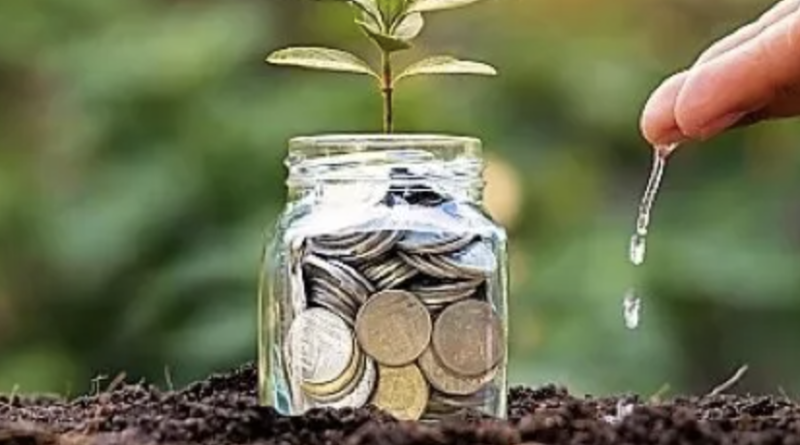
This Simple Garden Tip Can Save Money
Gardening is often seen as a relaxing hobby, but smart gardening can also be a powerful financial strategy. With rising food prices, higher utility bills, and growing interest in sustainable living, a well-planned garden can reduce monthly expenses and even increase the long-term value of your home. When gardening and finance are aligned, small decisions in your backyard can lead to real economic benefits.
This practical garden tip shows how to save money, reduce waste, and turn gardening into a financially smart habit.
Why Gardening Is More Than a Hobby
Home gardening is no longer just about aesthetics. A productive and well-maintained garden can directly impact household finances. Growing your own vegetables, herbs, and fruits reduces grocery spending, while smart garden planning cuts water and energy costs.
From a financial perspective, gardening is a low-cost investment with consistent returns. Seeds, soil, and basic tools require minimal upfront spending, but the savings accumulate month after month.
The Smart Garden Tip That Saves Money
One of the most effective and overlooked garden tips is planting according to water efficiency and seasonality. Choosing plants that match your local climate and watering needs can drastically reduce water bills and plant replacement costs.
Instead of planting water-intensive species, prioritize native plants, herbs, and vegetables that thrive naturally in your region. This simple adjustment lowers maintenance costs and improves plant survival rates, saving both time and money.
How This Garden Tip Improves Your Finances
Smart plant selection has a direct financial impact. Efficient watering reduces utility expenses, while healthier plants require fewer fertilizers and treatments. Over time, these small savings add up, creating measurable financial relief.
Additionally, growing herbs and vegetables at home can significantly cut grocery expenses. Even a small garden can provide ingredients that would otherwise be purchased weekly, helping stabilize household budgets.
Gardening as a Long-Term Financial Asset
A well-designed garden can increase property value. Homes with functional outdoor spaces and sustainable landscaping are more attractive to buyers and renters. This means gardening is not just about saving money today but also about building long-term financial value.
Low-maintenance gardens are especially appealing, as they signal lower future costs to potential buyers. This makes smart gardening decisions a quiet but effective financial strategy.
Budget-Friendly Gardening Strategies
To maximize financial benefits, focus on cost-effective gardening methods. Reusing containers, composting organic waste, and collecting rainwater reduce expenses while improving soil quality and plant growth.
Planning your garden layout before planting also avoids unnecessary spending. Knowing exactly what to plant, where to plant it, and how much it needs prevents waste and keeps your gardening budget under control.
The Connection Between Sustainability and Savings
Sustainable gardening and financial savings go hand in hand. Reducing water consumption, minimizing chemical use, and improving soil health lower recurring costs. Sustainability in the garden translates directly into financial efficiency.
As utility costs continue to rise, gardens designed for efficiency protect household finances while supporting environmentally responsible practices.
Why Smart Gardening Decisions Matter
Gardening decisions may seem small, but they reflect broader financial habits. Planning, resource management, and long-term thinking are essential in both gardening and finance. A garden that thrives with minimal input mirrors a financial strategy that grows steadily with controlled risk.
By treating your garden as a financial project, you shift from spending reactively to investing intentionally.
Conclusion: A Garden Tip That Pays Off
This simple garden tip proves that gardening and finance are more connected than most people realize. Choosing the right plants, managing water efficiently, and planning ahead can lower monthly expenses and increase property value over time.
Gardening doesn’t just grow plants — it grows financial stability.
Now let me ask you: would you rather save money every month with a smart garden, or invest more later to fix avoidable mistakes? 🌱💰